Zinc: The Unseen Mineral Without Which the Body Cannot Function Optimally
Zinc is not a mineral that often takes centre stage in conversations about health. Most people associate it mainly with the immune system or colds, but its role in the body is much broader. It is involved in several hundred enzymatic processes, influences cell renewal, hormonal balance, nutrient metabolism, and even the perception of taste and smell.
However, the body does not store zinc in large reserves. This means that regular and balanced intake is essential – especially during periods of increased needs.
What exactly is zinc and why does the body need it?
Zinc is an essential mineral, which means the body cannot produce it on its own. In the body, it primarily acts as a regulator – helping ensure that many processes take place on time and in harmony.
Its main roles include:
- supporting the immune system and defence cells,
- taking part in cell division and renewal,
- supporting wound healing,
- playing a role in the metabolism of proteins, fats and carbohydrates,
- supporting the normal function of hormones and enzymes.
Because zinc is involved in such fundamental processes, a deficiency often shows up indirectly – as general tiredness, slower recovery or reduced resistance.
How does the body absorb zinc?
Zinc absorption takes place mainly in the small intestine, but it is not complete. The body usually absorbs only part of the amount consumed, and several factors influence how well it is used.
The most important are:
- the form of zinc consumed,
- the food eaten at the same time — for example, phytates in whole grains can reduce absorption,
- the overall condition of the digestive system.
This means it is not enough to know how much zinc we consume – it is also important to know how available it is to the body.
Where can we find it?
1. Food
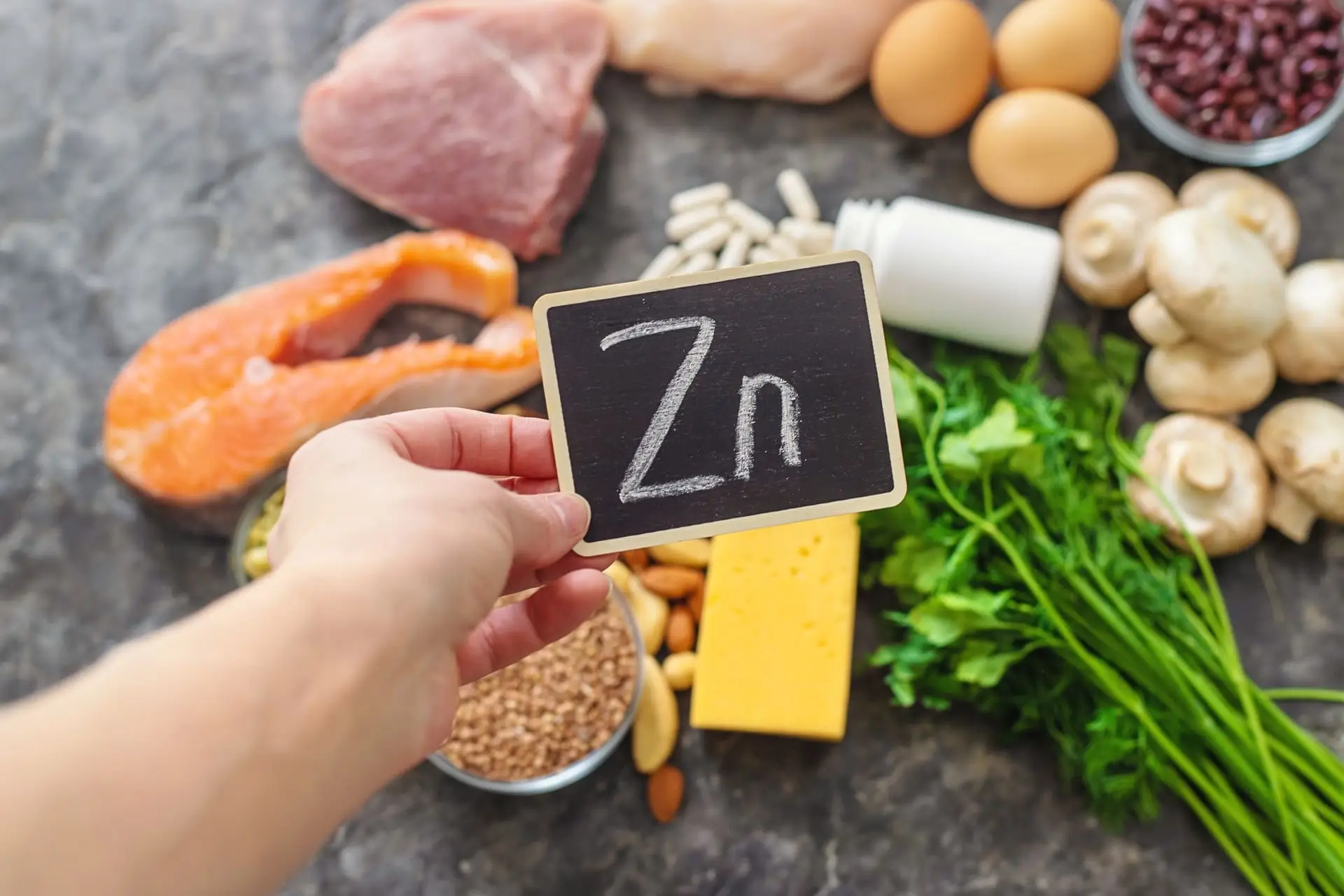
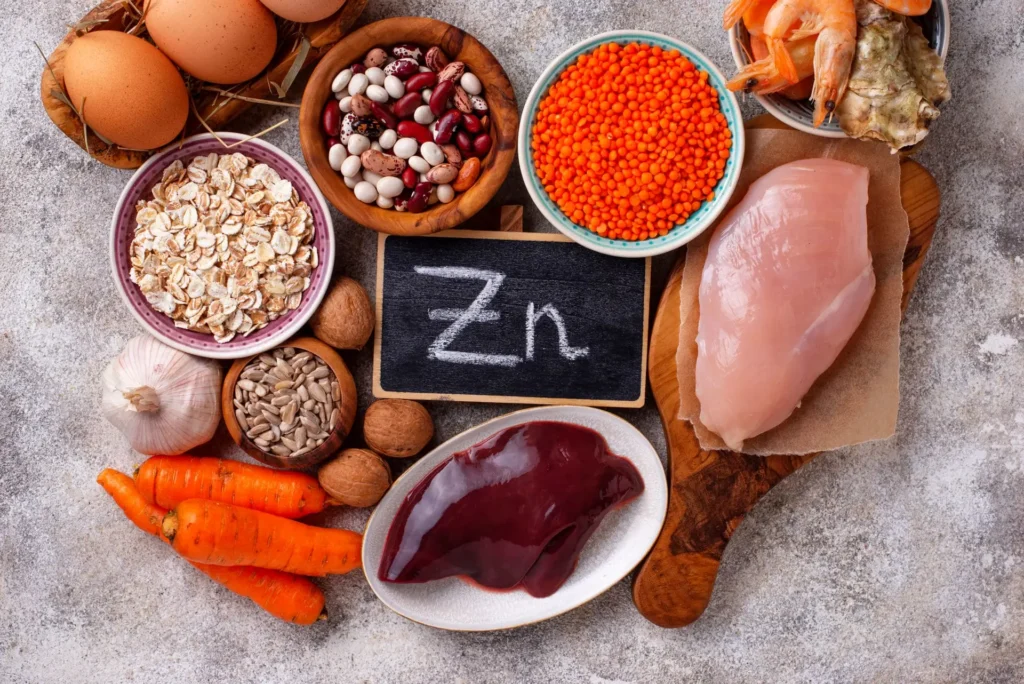
Zinc is traditionally consumed through food. Some of the better-known sources include:
- pumpkin and sesame seeds,
- nuts and legumes,
- whole grains,
- meat and seafood.
In addition to food, zinc is increasingly appearing in more advanced forms that allow for a more even and gentle intake.
2. Functional drinks: DoNatural functional herbal waters
DoNatural functional herbal waters represent a modern approach to mineral intake. In DoNatural Mint functional herbal water, zinc is part of a carefully balanced mineral composition and plays an important role in cognitive functions.
Benefits of consuming DoNatural Mint functional herbal water:
- zinc is immediately available to the body,
- intake takes place gradually throughout the day,
- it does not burden the digestive system,
- it also contributes to hydration.
The refreshing taste of mint adds a pleasant sense of refreshment, making this form suitable even for people who usually avoid food supplements.
3. Food supplements
Different forms of zinc are available, such as gluconate, citrate and picolinate, which differ in absorption and tolerability. When choosing, it is important to consider individual needs and digestive sensitivity.
How much zinc do we need?
Recommended daily amounts of zinc vary according to age, sex and lifestyle. Increased needs often occur:
- during periods of stress,
- with higher physical activity,
- during recovery,
- with an unbalanced diet.
The key is balance – regular, moderate intake is more beneficial for the body than occasional high doses.
An interesting fact…
Zinc also plays an important role in maintaining the normal perception of taste and smell. That is why, in cases of deficiency, reduced appetite or altered perception of food may sometimes occur – a sign we often overlook.
Zinc may not be the most talked-about mineral, but without it, many processes in the body simply would not function in harmony. Its strength lies in its quiet yet constant action – supporting the immune system, cell renewal and metabolic balance.
Whether we consume it through food, food supplements or modern solutions such as DoNatural Mint functional herbal water, it is important that zinc becomes part of our daily routine. In this way, we give the body stable support where it needs it most – on a level we may not see, but feel every day.