A Healthy Lifestyle for a Healthy Microbiota
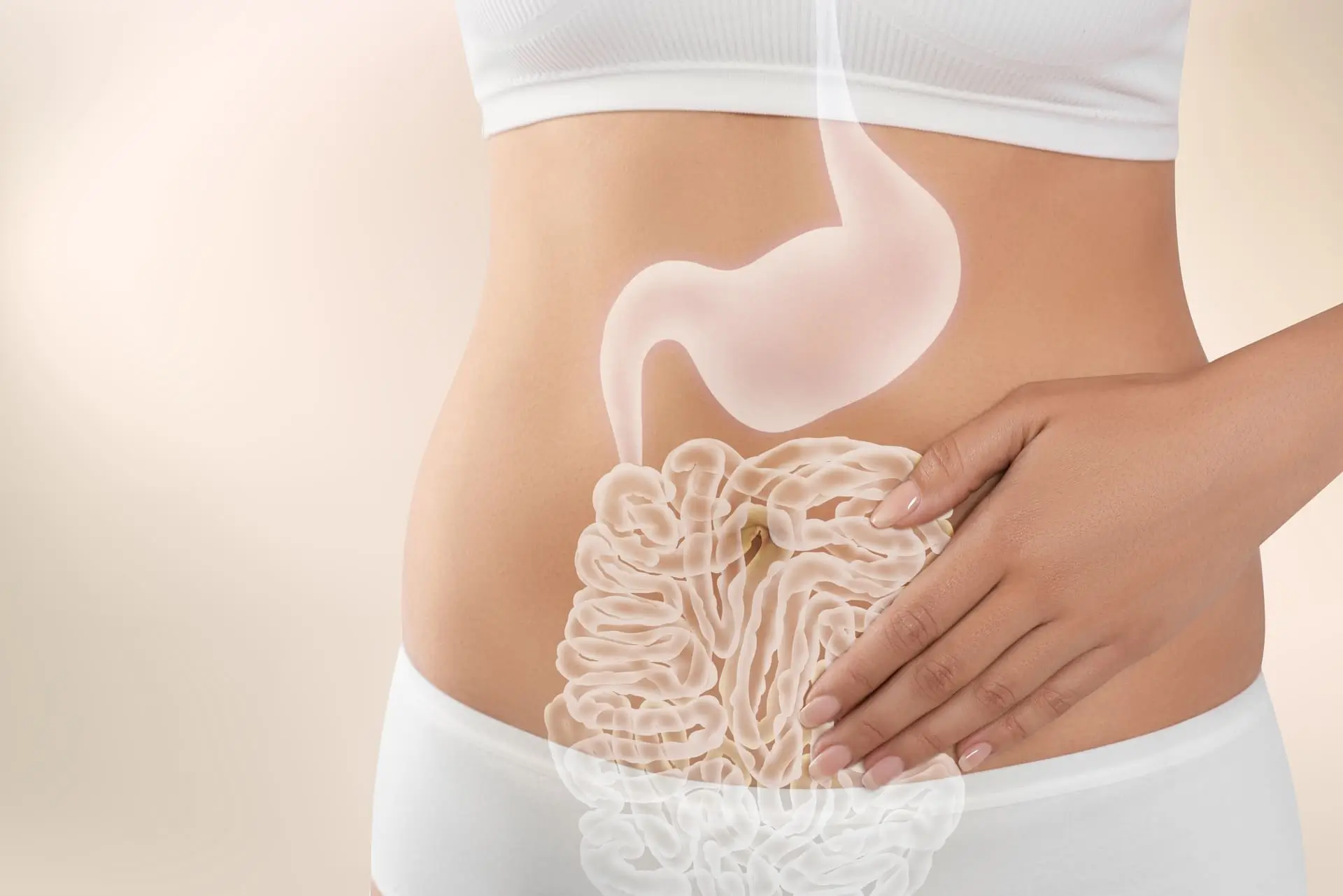
The gut microbiota is the foundation of inner balance – one we shape every single day. There are more microorganisms living in our body than there are human cells. Most of them reside in the gut and together form the gut microbiota – a complex yet incredibly important ecosystem of bacteria, fungi and other microorganisms that help shape our health.
The microbiota is not static. It changes from day to day and responds to our lifestyle, diet, stress levels, movement and sleep. That is why we cannot see it as something we simply “have” – but rather as something we take care of.
Movement: a boost for diversity
Regular physical activity has been shown to increase the diversity of the gut microbiota, which is considered one of the key indicators of a healthy gut. It does not necessarily have to involve intense workouts – even 30 minutes of moderate walking a day can positively influence the composition of gut bacteria.
Movement improves blood flow to the digestive system, stimulates intestinal peristalsis and creates an environment in which beneficial bacteria can thrive more easily.

Quality sleep: a rhythm the microbiota follows too
Just like us, the microbiota has its own circadian rhythm. Lack of sleep or irregular sleep patterns can disrupt this rhythm, which may lead to an imbalance in the microbiota, known as dysbiosis.
Aim for 7–9 hours of quality sleep each night. A consistent schedule, a calming evening routine and limiting exposure to light before bedtime are simple yet effective steps to support gut balance.
Stress management: the silent impact of cortisol
The gut and the brain are closely connected through the gut-brain axis. Chronic stress therefore has a direct impact on the microbiota, primarily through the hormone cortisol, which changes the gut environment and reduces the number of beneficial bacteria.
Techniques such as meditation, yoga, breathing exercises or short daily breaks from digital stimuli are not a luxury – they are tools for maintaining inner balance.
Contact with nature: the natural diversity of microorganisms
Time spent in nature exposes us to microorganisms from the environment that can enrich our microbiota. Research shows that even a walk in the forest, gardening or contact with soil can have a beneficial effect on microbial diversity.
Nature offers an environment in which our inner ecosystem can find balance more easily – without complicated interventions.

Daily rituals for inner balance
Small but regular habits often have a big impact. Daily rituals give the microbiota the stability and predictability it needs to function optimally.
These can include:
- morning yoghurt or kefir with probiotic cultures,
- an afternoon herbal tea,
- or refreshment with a functional herbal water DoNatural that supports digestion.
It is not about perfection, but about consistency – and the awareness that, through these actions, you nurture your inner ecosystem every day.
Small steps for long-term balance
Taking care of the gut microbiota is not a short-term trend, but an investment in long-term health. Its composition is influenced every day by diet, movement, sleep and the way we respond to stress.
Start simple:
- gradually include fermented foods,
- increase your fibre intake,
- take care of regular hydration,
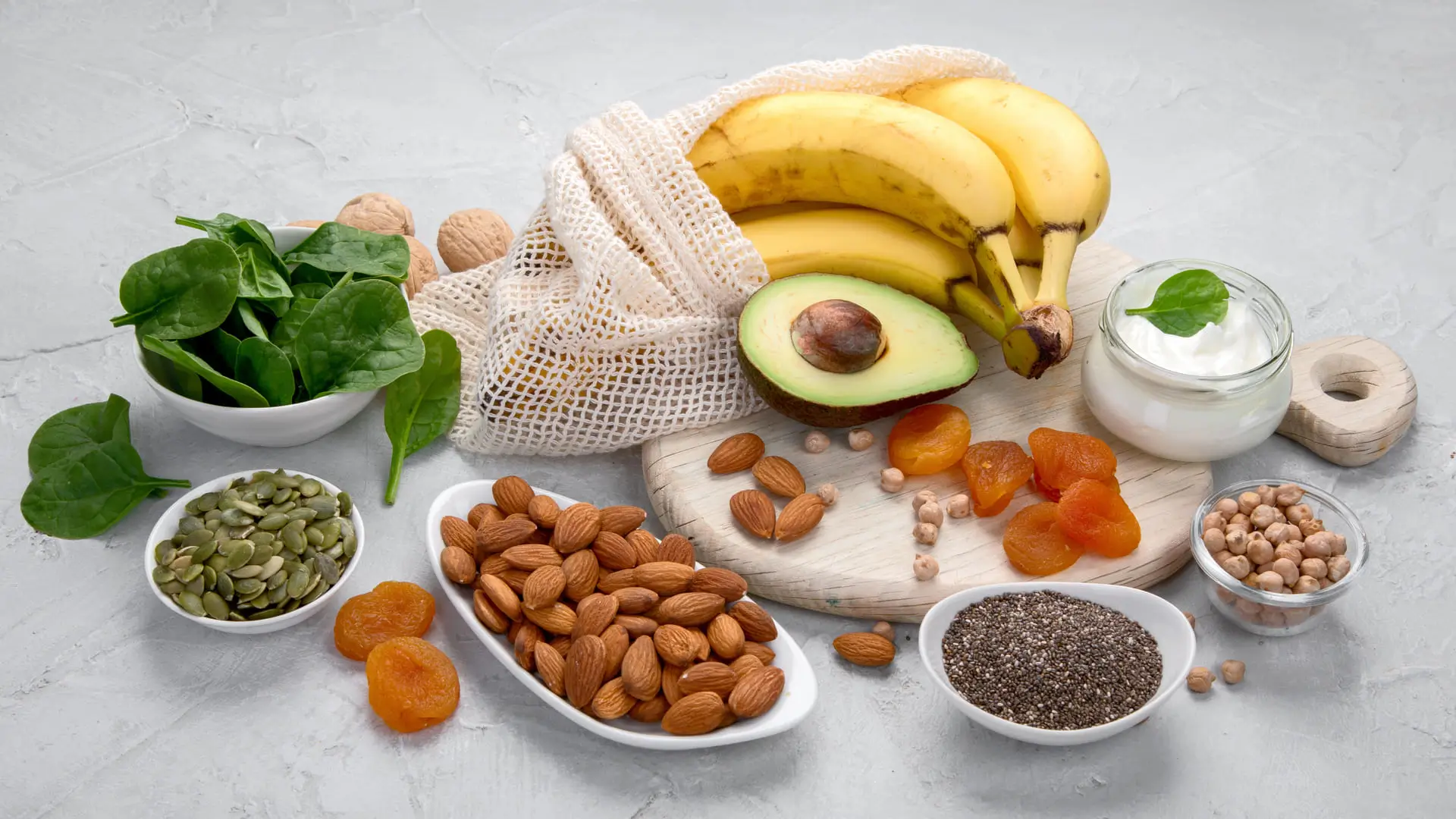
- choose a variety of plant-based foods,
- and create a daily ritual that supports digestion.
The microbiota responds best to consistency, not perfection. With small but thoughtful habits, you create an inner environment in which the body can find balance more easily – and this is reflected in better wellbeing, more stable energy and greater resilience over time.