Fibre: The Invisible Support Behind Digestive Balance
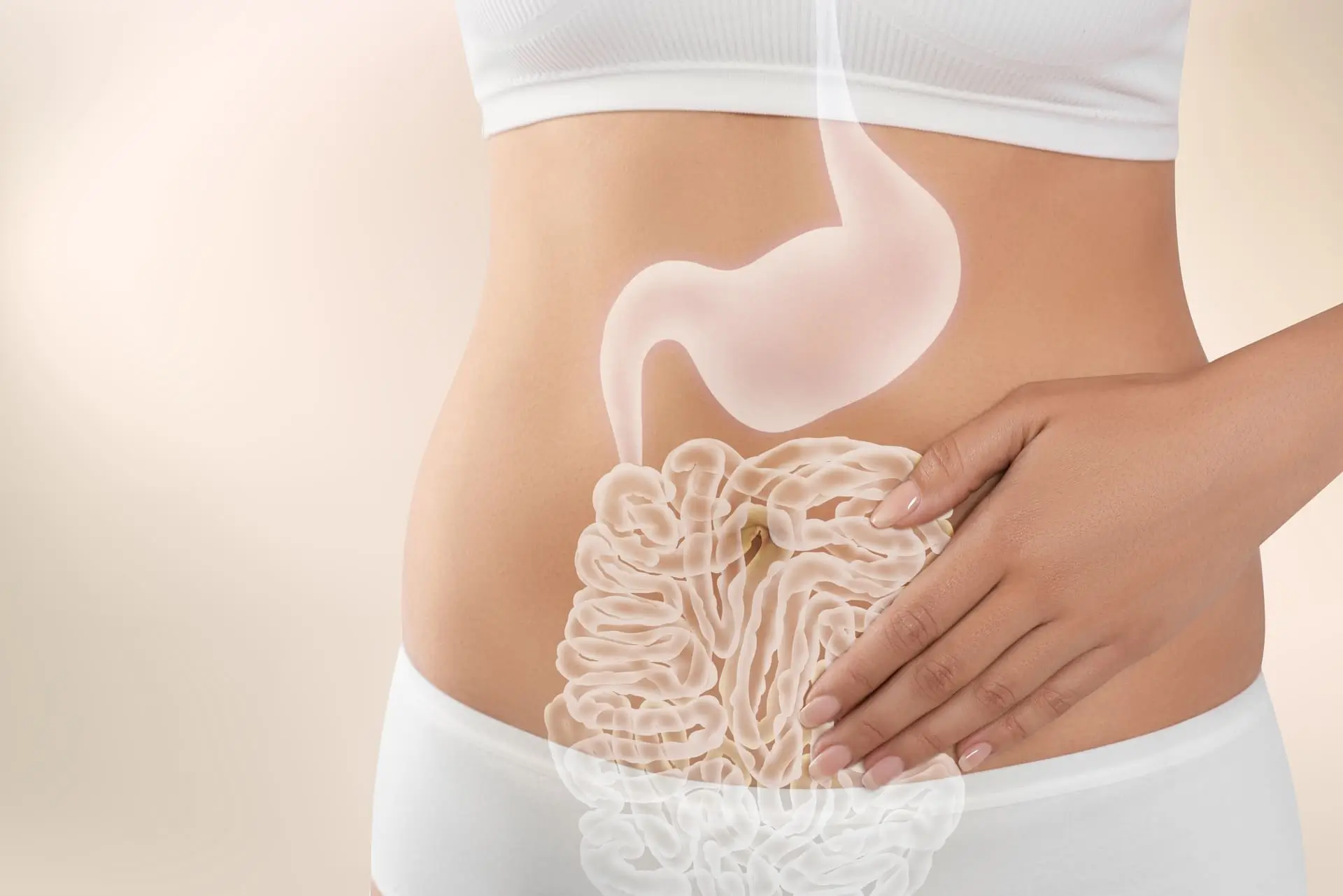
When we talk about a healthy diet, fibre is often mentioned only in passing – as something that is “good to have”. In reality, however, it represents one of the most important links between nutrition, digestion and the gut microbiota. Although the body does not digest it, the digestive system cannot function in harmony without it.
Fibre is not a nutrient that works immediately or noticeably. Its effect is gradual, long-term and profound. It shapes the gut environment, influences the rhythm of digestion and creates the conditions in which beneficial bacteria can do their work.
Why does the body need it if it does not digest it?
Its value lies precisely in the fact that we do not break it down. As fibre passes through the digestive tract, it performs several tasks at once. One part of fibre binds water and contributes to softer, more regular digestion. Another part becomes food for gut bacteria in the large intestine.
This process creates substances that:
- support the intestinal lining,
- help maintain the balance of the microbiota,
- influence metabolism and internal signalling pathways in the body.
Fibre is therefore the connecting element between what we eat and how our body responds.

Soluble and Insoluble – a difference digestion can feel
Although we often talk about fibre as a single group, different types have different effects.
Soluble fibre forms a gel-like structure when it comes into contact with liquid and is especially important for the microbiota. Insoluble fibre adds bulk and supports the natural movement of the intestines.
In everyday nutrition, both types work together, which is why variety is key. A wider range of plant-based sources means a more stable and adaptable digestive environment.
Where can we find fibre?
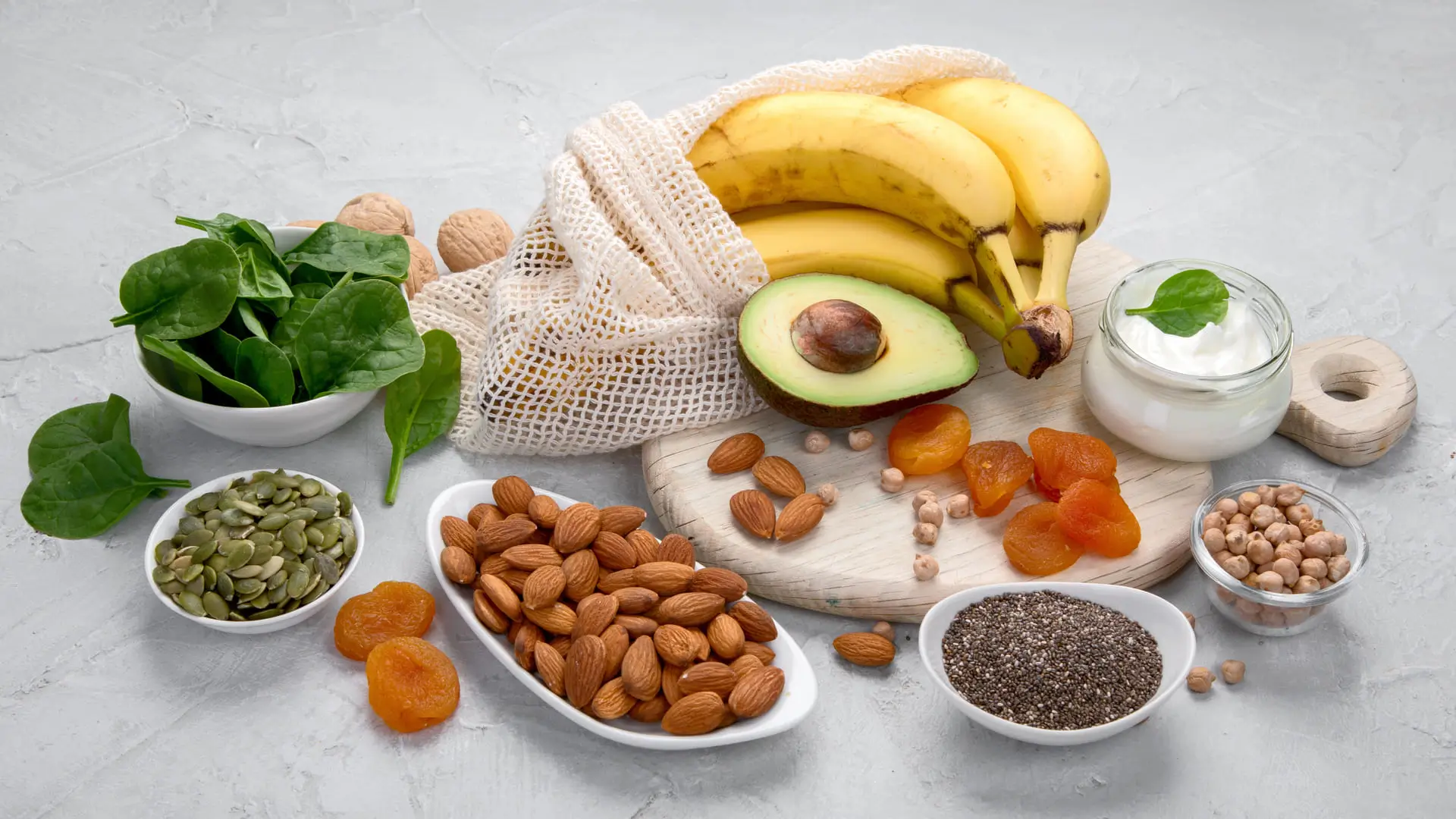
Fibre is naturally found in whole plant-based foods: vegetables, fruit, legumes, whole grains, nuts and seeds. The challenge of modern nutrition is not that we do not know about fibre, but that we often consume too little of it and not from varied enough sources.
That is why more and more attention is also being given to simple, everyday ways of increasing intake, especially for those who do not manage to get enough fibre through diet alone.

Fibre in liquid form: a small step with a big effect
Functional herbal waters DoNatural represent a modern approach to supporting digestion. All three flavours also contain a source of fibre.
Consuming fibre through liquid has several benefits:
- fibre is consumed gradually throughout the day,
- digestion is not burdened with large amounts at once,
- hydration is supported at the same time,
- regular use becomes part of a routine, not an effort.
For many, this is a discreet yet effective way to include fibre in everyday life – without counting grams or making complicated plans.
Less is more: why gradual intake matters so much
When it comes to fibre, one simple rule applies: the body needs time to adapt. Increasing intake too quickly can cause bloating or discomfort, which often leads to the mistaken conclusion that fibre “doesn’t suit us”.
In reality, fibre works best when:
- we increase it gradually,
- we drink enough fluids,
- we choose different sources,
- we consume it regularly, not just occasionally.
Fibre is not a quick fix, but a foundation. It does not force results; it creates the conditions in which digestion can find its own balance. When it becomes part of everyday life – whether through food or with the help of modern solutions such as functional herbal waters DoNatural – it supports the gut where many wellbeing processes begin, providing quiet yet reliable support on which the body builds balance.