Manganese: The Overlooked Mineral That Supports Inner Balance
When we talk about minerals, manganese rarely comes first. Iron, magnesium or zinc are mentioned more often, while manganese tends to stay in the background. But that does not mean it is any less important. Quite the opposite – without it, many metabolic and protective mechanisms in the body would not function optimally.
Manganese is a trace mineral, which means the body needs it in very small amounts. But these small amounts have a big impact, especially when it comes to cell protection, energy metabolism and maintaining healthy connective tissue.
What exactly is manganese and what is its role?
Manganese is an essential mineral that acts as a component or activator of numerous enzymes. Its role is primarily supportive – it helps other processes in the body run smoothly and efficiently.
Its key roles include:
- taking part in the metabolism of carbohydrates, proteins and fats,
- contributing to the formation of connective tissue, cartilage and bones,
- playing a role in protecting cells from oxidative stress,
- supporting the functioning of the nervous system,
- taking part in normal energy metabolism.
Manganese often works in the background, together with other minerals and vitamins, which is why its importance is easy to overlook – until balance is disrupted.
How does the body absorb manganese?
Manganese absorption takes place in the small intestine, but it is relatively limited. The body absorbs only a small share of the amount consumed, which is completely normal for trace minerals.
Its absorption is influenced by:
- the form of manganese consumed,
- the simultaneous intake of other minerals, such as iron and calcium,
- the condition of the digestive system.
That is why, with manganese, it is especially important to consume it regularly and in smaller amounts, as part of a balanced diet or through fluid intake.
Where can we find manganese?
1. In food
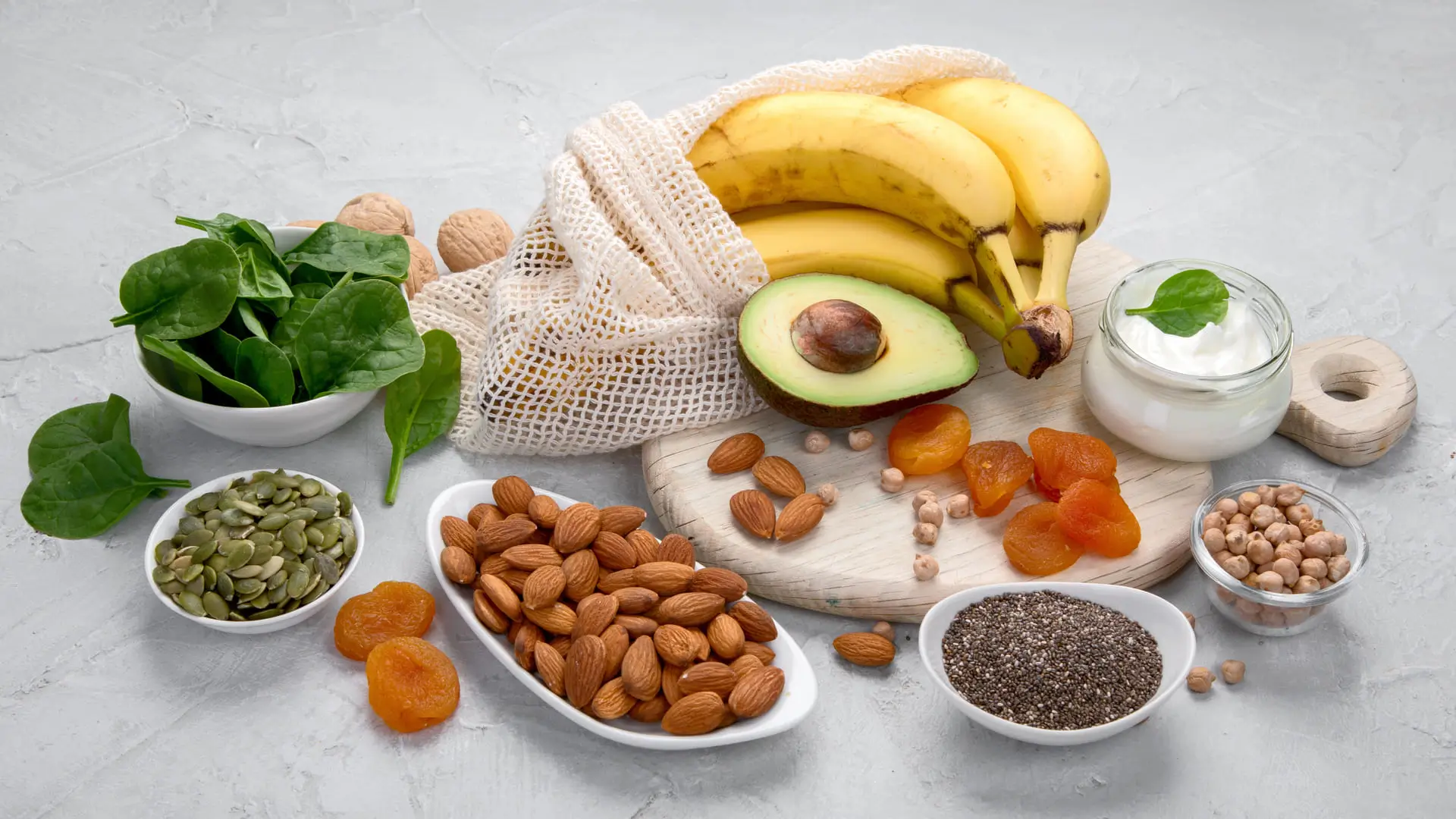
Manganese is naturally present in many foods, especially those of plant origin. Common dietary sources include:
- whole grains,
- nuts and seeds,
- legumes,
- leafy vegetables,
- tea and certain herbs.
In addition to food, manganese can also be found in some functional waters, where it is dissolved in a liquid medium and made available to the body in a gentle, even way.

2. Innovation on the market: DoNatural functional herbal waters
DoNatural Lemongrass functional herbal water contains manganese as part of a balanced mineral composition. Thanks to its liquid form, the mineral is consumed gradually, together with hydration, without burdening digestion.
The benefits of this type of intake:
- manganese is already dissolved and more easily available to the body,
- intake takes place throughout the day,
- it is also suitable for people who avoid capsules or tablets,
- the refreshing taste of lemongrass encourages regular drinking.
This approach allows manganese to become part of a daily routine – without extra effort or complicated regimes.
3. Food supplements
Manganese is also available in the form of food supplements, often in combination with other minerals. It is important to keep in mind that this is a trace mineral – more is not necessarily better. Excessive intake is not meaningful, which is why moderation is key.
How much manganese do we need?
The body’s need for manganese is relatively low, but constant. Sufficient intake is especially important:
- with increased physical activity,
- during periods of greater metabolic demand,
- with a monotonous or unbalanced diet.
The best approach is regular, moderate intake from different sources, allowing the body to maintain inner balance.
Manganese may not attract much attention, but its role is fundamental for the normal functioning of our body. It works quietly, in the background, supporting cell protection, metabolic efficiency and the stability of connective tissue.
Whether you consume manganese through food or through modern functional waters, such as DoNatural Lemongrass functional herbal water, it is important that it becomes part of your daily support for the body. The goal is to consume small amounts, regularly and thoughtfully – because that is where its true strength lies.