Microbiota: The Secret Key to Health and Vitality
The invisible world that controls your body
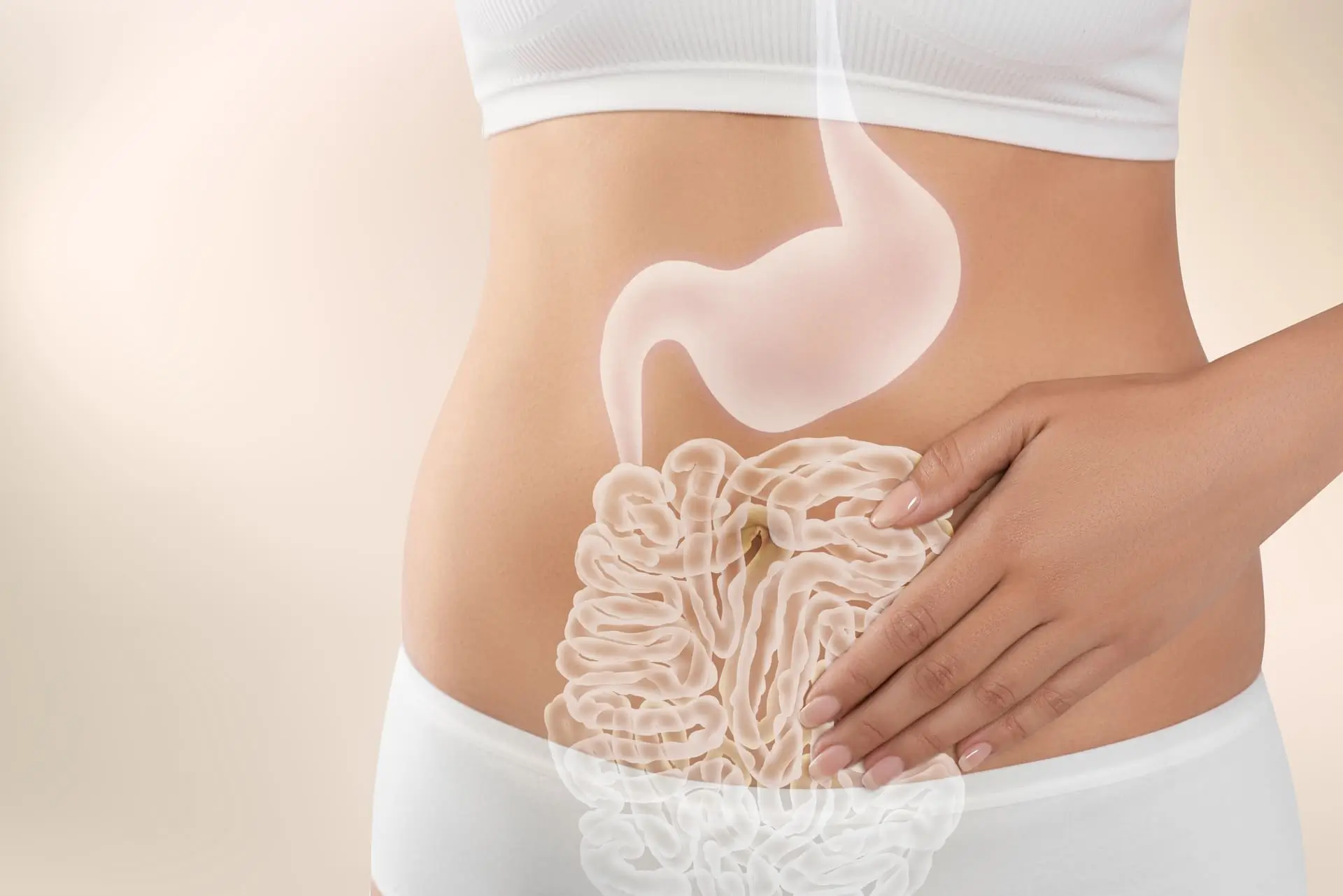
Imagine if more microorganisms lived in your body than there are stars in our galaxy. This is not science fiction – it is reality. More than 100 trillion bacteria, fungi and other microscopic beings live in our digestive tract, together forming the gut microbiota. This complex ecosystem, weighing between 1 and 2 kilograms, is actually a “forgotten organ” with an extraordinary impact on our health.
Why should we care about our gut bacteria?
The gut microbiota is not just a passive resident of our body. It is a dynamic, active system that constantly communicates with our cells and influences almost every bodily function.
Key roles of the gut microbiota
Immune defence
More than 80% of the cells of our immune system are located in the gut. A healthy microbiota acts as the first line of defence against pathogens and strengthens our resistance. Research shows that people with a diverse microbiota get sick less often and recover faster.
The gut-brain connection
Maybe you have already heard of the “second brain” in the gut? The microbiota produces neurotransmitters, including serotonin, the so-called happiness hormone, which means that our gut truly influences our mood, concentration and even the risk of depression.
Metabolism and energy
Gut bacteria break down food, produce vitamins, especially vitamin K and B vitamins, and short-chain fatty acids that are essential for energy metabolism. A healthy microbiota can even influence body weight and the tendency to gain weight.
Reducing inflammation
An imbalance in the microbiota, known as dysbiosis, is associated with chronic inflammatory conditions – from intestinal inflammation and arthritis to cardiovascular disease.
What disrupts the balance of the microbiota?
The modern lifestyle is anything but friendly to the microbiota:
- processed food low in fibre and high in sugar,
- chronic stress and lack of sleep,
- antibiotics – sometimes necessary, but often overused,
- environmental toxins and pesticides,
- a sedentary lifestyle,
- lack of contact with nature and diverse microorganisms.

How can you feed your beneficial bacteria?
1. Fibre – the most important food for the microbiota
Dietary fibre is a prebiotic – a substance that our body cannot digest, but which is excellent food for beneficial bacteria. When bacteria ferment fibre, short-chain fatty acids are created, which:
- reduce inflammation,
- strengthen the intestinal lining,
- regulate blood sugar,
- support a healthy body weight.
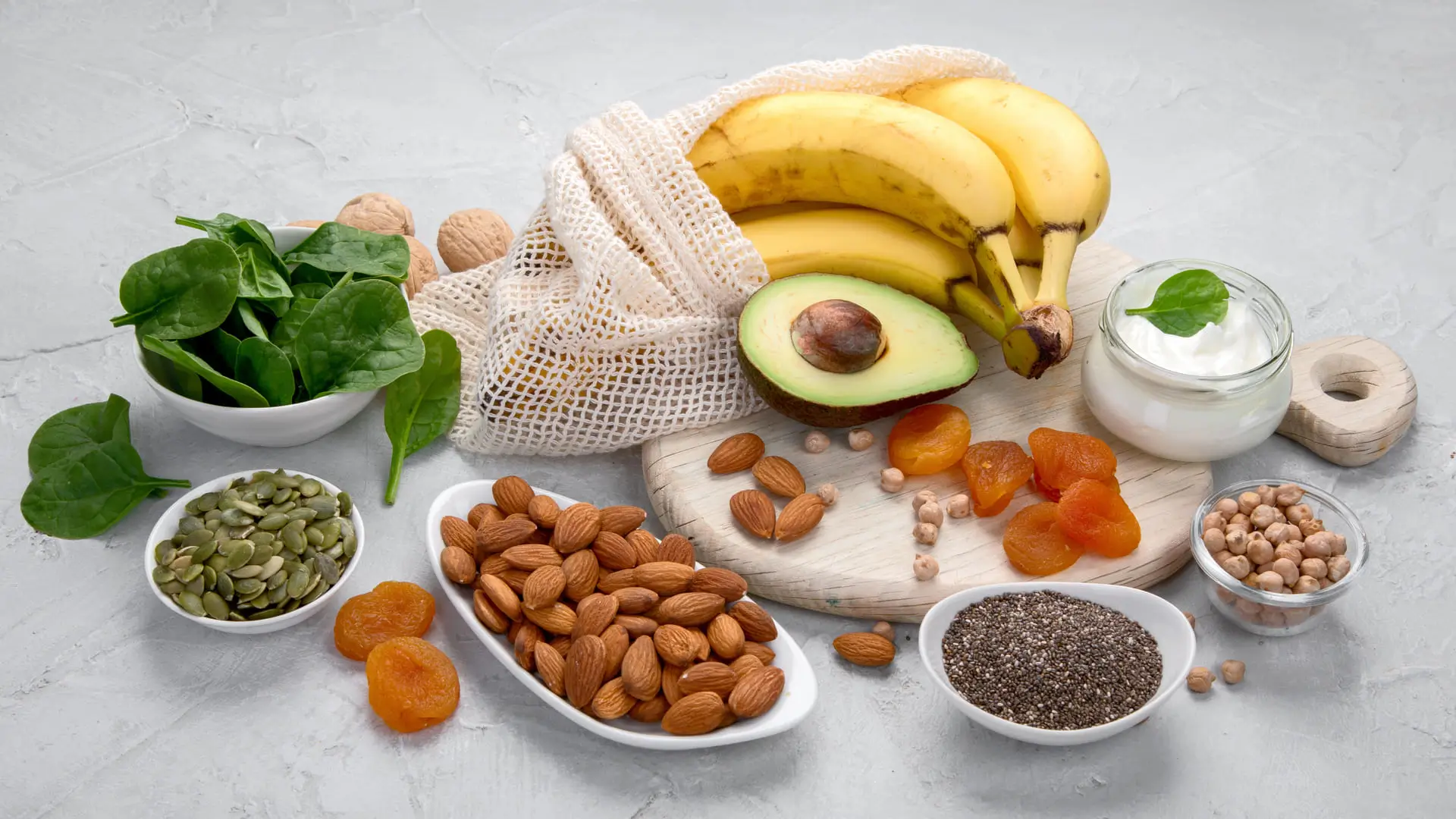
The best sources of fibre: vegetables, especially leafy greens and root vegetables, legumes such as beans, lentils and chickpeas, whole grains such as oats and brown rice, seeds such as chia and flaxseed, and fruit, especially berries and apples with the skin.
2. Fermented foods – live probiotics
Traditional fermented foods are rich in live bacterial cultures that enrich our microbiota:
- kefir – contains more than 30 different strains of bacteria and yeasts,
- sauerkraut – in addition to probiotics, it is also a rich source of vitamin C,
- kimchi – a Korean speciality with spices and benefits for digestion,
- kombucha – fermented tea with beneficial effects,
- natural yoghurt – choose one without added sugar.
3. Plant polyphenols
Polyphenols are plant compounds found in foods such as berries, dark chocolate, green tea and nuts. These substances not only feed beneficial bacteria, but also inhibit the growth of harmful ones.
4. Hydration – the forgotten pillar of health
Water is essential for healthy digestion and optimal functioning of the microbiota. The intestinal lining needs enough moisture for beneficial bacteria to thrive. But hydration is not only about drinking water – the quality and added value of the fluids we choose also matter.

The new generation of hydration: functional drinks
Today, we have more than plain water available to us. Modern functional drinks can offer:
- herbal extracts that traditionally support digestion, such as chamomile, mint and dill,
- added fibre that acts as a prebiotic,
- minerals, such as magnesium, for the normal function of digestive enzymes,
- special ingredients that support the balance of the microbiota.
One such approach is functional herbal waters, such as DoNatural, which combine hydration with additional functional ingredients – fibre, inactivated bifidobacteria and herbal extracts – all without artificial additives.
5. Variety is key
Research shows that people who consume more than 30 different plant-based foods per week have a more diverse and healthier microbiota. This does not mean you have to eat exotic foods – all vegetables, fruits, grains, legumes, nuts, seeds and herbs count.
A lifestyle for a healthy microbiota
Movement
Regular physical activity increases microbiota diversity. Just 30 minutes of walking a day can have a positive effect on the composition of gut bacteria.
Quality sleep
The microbiota has its own circadian rhythm. Lack of sleep disrupts this rhythm and can lead to dysbiosis. Aim for 7–9 hours of quality sleep.
Stress management
Chronic stress directly harms the microbiota through the hormone cortisol. Techniques such as meditation, yoga, breathing exercises or simple daily rituals can help.
Contact with nature
Time spent in nature exposes us to a variety of microorganisms from the environment, enriching our microbiota. Even gardening or a walk in the forest can have a beneficial effect.
Daily rituals for inner balance
Small but regularly repeated rituals can have a big impact. This could be morning yoghurt with probiotics, an afternoon herbal tea or refreshment with a functional drink that supports digestion. The key is consistency and the awareness that, through these actions, you nurture your health.
When should you consider additional support?
Sometimes it makes sense to give the microbiota additional support:
- probiotics in capsules – after taking antibiotics or in case of more serious digestive issues, with medical advice on the appropriate strains,
- functional drinks with fibre and probiotic ingredients – as daily support for the microbiota and a simple form of regular prebiotic intake,
- prebiotic powder – a concentrated source of prebiotic fibre, such as inulin and FOS.
Taking care of the gut microbiota is not a trend – it is the foundation of long-term health. Every decision you make about your diet and lifestyle affects trillions of living beings in your gut, and they in turn influence everything – from your energy and mood to your resistance to illness.
You do not need drastic changes overnight. Start small:
- add one fermented food per week,
- increase your fibre intake gradually,
- take care of regular hydration – perhaps by choosing drinks that offer more than just water,
- include a wider variety of plant-based foods,
- find your daily ritual for inner strength.
Your gut is your second brain, your immune shield and your energy centre. Take care of it, and it will take care of you.