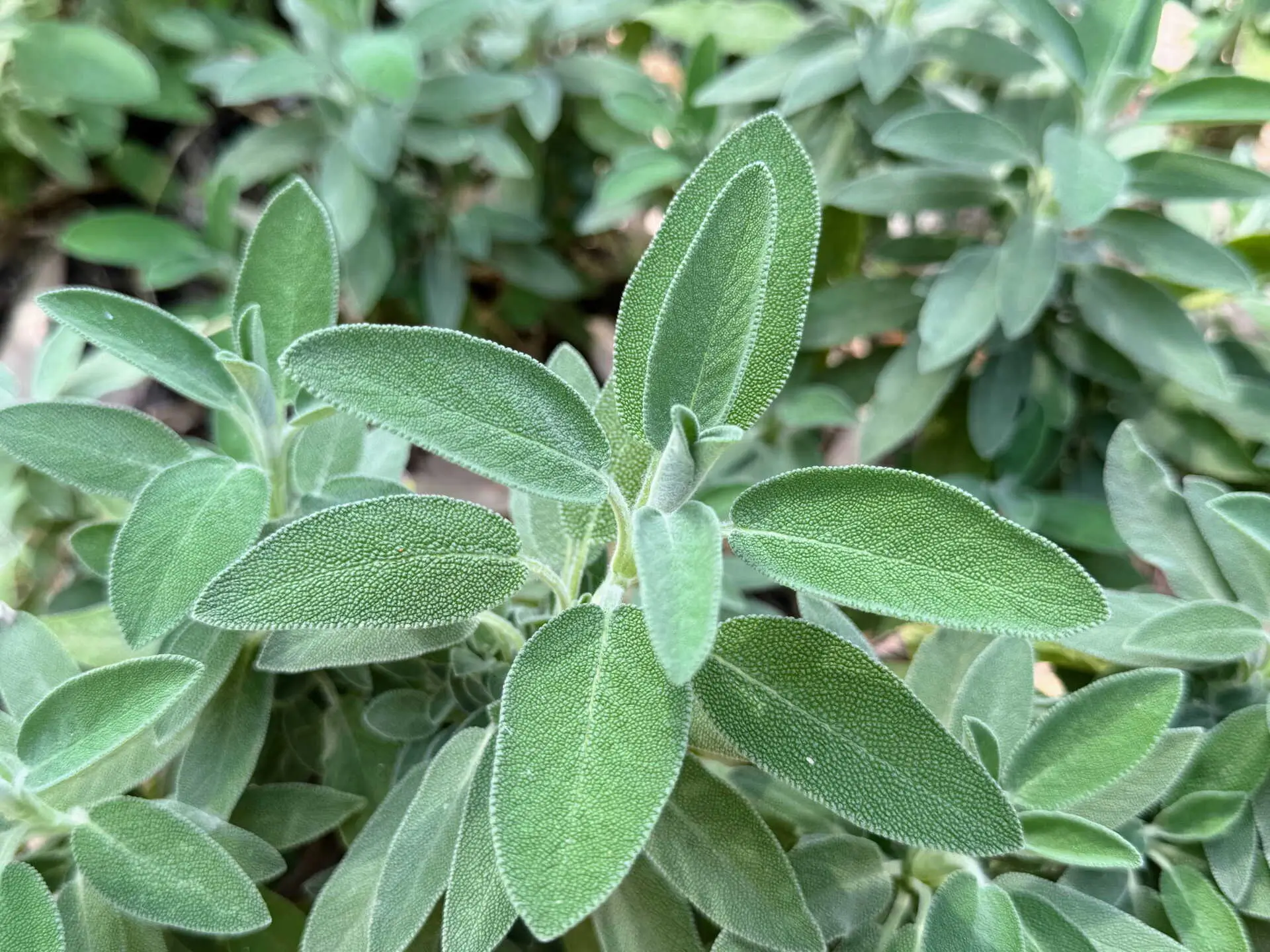
Aloe Vera: Traditional Use, Effects on the Digestive System, and Limitations of Use
Aloe vera is one of the best-known medicinal plants in the world. For centuries, it has been used in the traditional medicine of various cultures, primarily for skin care, healing minor injuries, and relieving digestive complaints, especially constipation. Historical records confirm its use in ancient Egypt, Greece, India, China, Japan, and Mexico, testifying to its long and widespread ethnomedical tradition.
Today, aloe vera is used in numerous cosmetic, nutritional, and health products. However, it is important to distinguish between preparations obtained from the inner leaf gel and those containing aloe latex from the outer part of the leaf, as their composition, effects, and safety profiles differ significantly.
Traditional use on the skin
The best-known traditional use of aloe vera relates to the topical application of gel for minor burns, superficial wounds, insect bites, and skin irritation. Aloe vera has traditionally been associated with anti-inflammatory, antimicrobial, and regenerative properties, which is why it became an integral part of folk medicine and, later, modern dermocosmetics.
Modern research partly confirms these effects, especially in minor burns, where topical application of aloe gel may contribute to faster healing and reduced discomfort. For many other dermatological indications, however, clinical evidence remains limited.
Aloe vera and the digestive system
One of the most important areas of traditional aloe vera use is linked to the digestive system. Historically, aloe preparations were used to relieve occasional constipation, bloating, and other digestive complaints. The main effect on the digestive system is associated with the presence of anthraquinone compounds, primarily aloin and aloe-emodin, which are found in aloe latex. These compounds stimulate colonic motility, shorten the transit time of intestinal contents, reduce the absorption of water and electrolytes from the intestines, and increase the water content of stool.
Because of this mechanism of action, the European Medicines Agency (EMA) recognizes certain aloe preparations as traditional herbal medicinal products for the short-term treatment of occasional constipation. However, their use is recommended only when changes in diet and lifestyle have not been sufficient to achieve a satisfactory effect.
Potential effects of inner aloe gel
Unlike aloe latex, the inner leaf gel contains very small amounts of anthraquinones and is rich in polysaccharides, among which acemannan is the best known. These compounds are the subject of numerous studies because of their possible effects on digestive health.
It is assumed that aloe polysaccharides may have a beneficial effect on the mucosa of the digestive tract and may help maintain the integrity of the intestinal barrier. Some studies also suggest a potential prebiotic effect of certain aloe constituents, that is, the possibility of supporting the growth of beneficial intestinal microorganisms. However, for most of these effects, clinical evidence remains limited and is not sufficient to support firm therapeutic recommendations.
It is important to emphasize that aloe vera should not be presented as a proven effective treatment for irritable bowel syndrome, inflammatory bowel disease, or other chronic gastrointestinal disorders, since current scientific evidence is insufficient to support such claims.
Bioactive components and possible mechanisms of action
Aloe vera contains a large number of biologically active compounds, including:
- polysaccharides (acemannan),
- anthraquinones (aloin, aloe-emodin),
- phenolic compounds,
- phytosterols,
- vitamins and minerals,
- enzymes and amino acids.
Experimental studies indicate that certain constituents may have anti-inflammatory, antioxidant, and antimicrobial effects. However, a large portion of these data comes from laboratory or preclinical studies, while high-quality clinical studies in humans are much less common.
Safety and limitations of use
The safety profile of aloe vera largely depends on the type of preparation.
Topical application of the gel is generally considered safe, although local reactions such as stinging, itching, or contact dermatitis may occur in sensitive individuals.
On the other hand, long-term oral use of preparations containing aloe latex is not recommended. Excessive or prolonged use may lead to:
- diarrhea,
- abdominal cramps,
- loss of potassium and other electrolytes,
- dehydration.
Aloe vera extract in functional beverages
In recent years, aloe vera has increasingly been used as an ingredient in functional beverages. In such products, aloe latex is generally not used, as it contains anthraquinone compounds with laxative effects. Instead, purified extracts or powders obtained from the inner leaf gel are used. Functional beverages often include a form that represents the dehydrated inner gel of the plant.
Unlike the traditional use of aloe as a stimulant laxative, the role of aloe vera in functional beverages is primarily associated with its polysaccharide content, especially acemannan. These compounds have attracted the interest of researchers because of their potential influence on maintaining digestive mucosal function and their interaction with the gut microbiota. In the formulation of functional beverages, aloe vera is often combined with dietary fiber, probiotics, postbiotics, vitamins, minerals, or plant extracts aimed at supporting the digestive system.
Conclusion
Aloe vera has a long tradition of use in medicine and is one of the best-known plant products for skin care and the relief of occasional constipation. The traditional use of aloe as a short-term laxative has a certain degree of professional and regulatory validation, but its use requires caution due to possible side effects associated with anthraquinone compounds.
Although certain aloe vera constituents show interesting potential for supporting digestive health, especially through interaction with the intestinal mucosa and the gut microbiota, additional high-quality clinical studies are needed for most of these effects. Aloe vera can therefore be viewed today as a traditional herbal remedy with a clearly defined role in the short-term treatment of occasional constipation, but not as a universal solution for all digestive complaints.
Sources:
- European Medicines Agency (EMA). European Union herbal monograph on Aloe barbadensis Mill. and on Aloe (various species, mainly Aloe ferox Mill. and its hybrids), folii succus siccatus. https://www.ema.europa.eu/en/documents/herbal-monograph/final-european-union-herbal-monograph-aloe-barbadensis-mill-and-aloe-various-species-mainly-aloe-ferox-mill-and-its-hybrids-folii-succus-siccatusen.pdf
- European Medicines Agency (EMA). Aloes folii succus siccatus – herbal medicinal product. https://www.ema.europa.eu/en/medicines/herbal/aloes-folii-succus-siccatus
- National Center for Complementary and Integrative Health (NCCIH). Aloe Vera: Usefulness and Safety. https://www.nccih.nih.gov/health/aloe-vera
- Sánchez M, González-Burgos E, Iglesias I, Gómez-Serranillos MP. Pharmacological Update Properties of Aloe Vera and its Major Active Constituents. Molecules. 2020. https://pmc.ncbi.nlm.nih.gov/articles/PMC7144722/
- Surjushe A, Vasani R, Saple DG. Aloe vera: A short review. Indian Journal of Dermatology. 2008. https://pmc.ncbi.nlm.nih.gov/articles/PMC2763764/
- IARC Monographs. List of Classifications – Aloe vera, whole leaf extract. https://monographs.iarc.who.int/list-of-classifications/
- NCBI Bookshelf. Some Drugs and Herbal Products – exposure data for aloe preparations. https://www.ncbi.nlm.nih.gov/books/NBK350431/
- NCBI Bookshelf. Evaluation of the Nutritional and Metabolic Effects of Aloe vera. https://www.ncbi.nlm.nih.gov/books/NBK92765/
- Martínez-Burgos WJ et al. Aloe vera: From ancient knowledge to the patent and commercialization challenges. South African Journal of Botany. 2022. https://www.sciencedirect.com/science/article/pii/S0254629922000813