Sage: The “Sacred Plant” Supporting Digestion and Metabolism
A small leaf, immense power
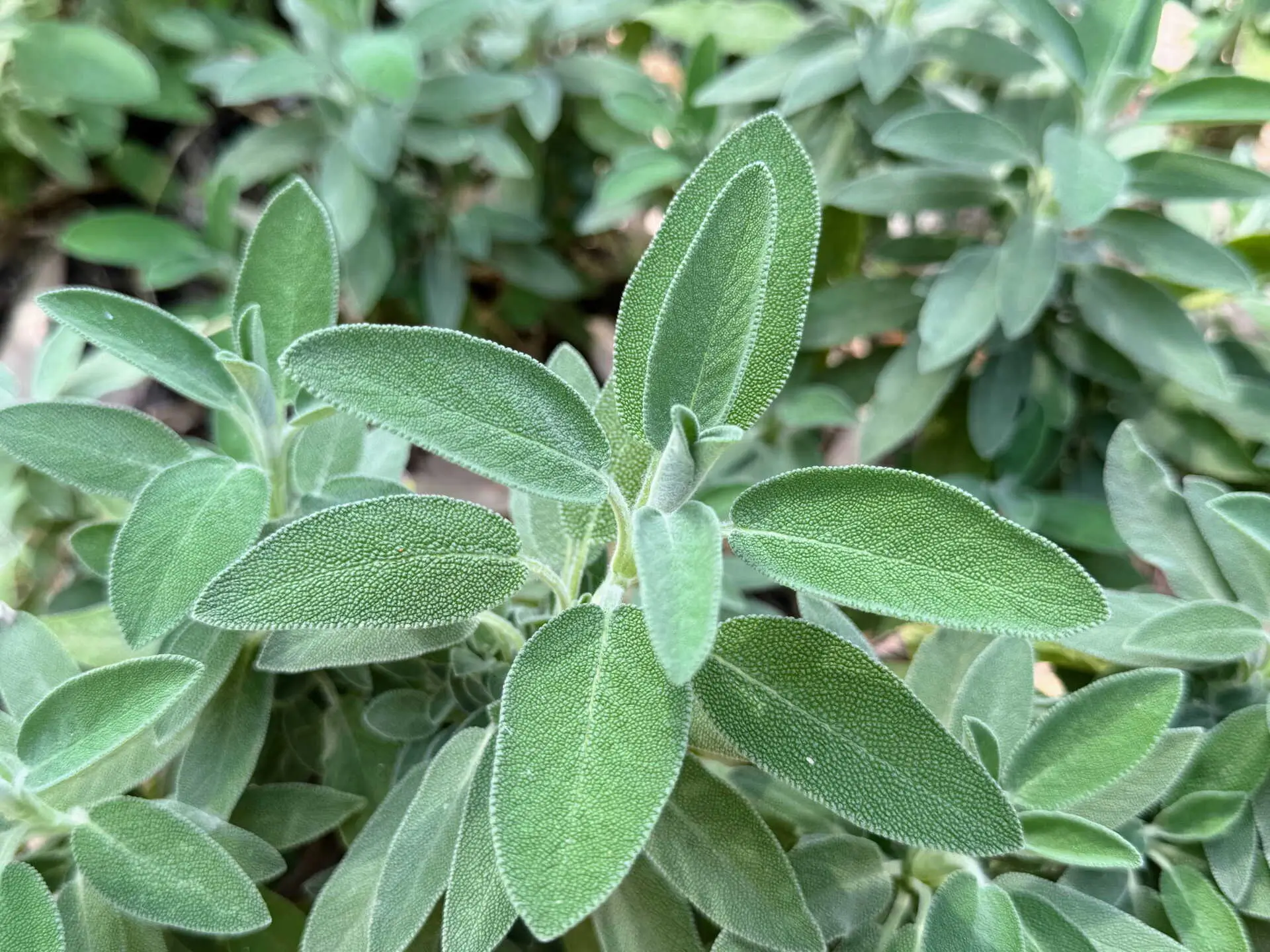
Sage (Salvia officinalis L.) derives its name from the Latin root salvare, meaning “to save” or “to heal.” For centuries it has been used in traditional medicine as a panacea, while in modern phytotherapy and the functional beverage industry it holds a prominent place thanks to its strong antioxidant and anti-inflammatory properties.
Sage is best known for gargling and throat rinses due to its exceptional antiseptic and anti-inflammatory effects, making it one of the most effective natural options for soothing inflammation in the oral cavity.
- Powerful tannins: sage contains tannins that “tighten” the mucosa and create a protective layer, making it harder for bacteria and viruses to penetrate tissue further.
- Targeting pathogens: essential oils in sage (such as cineole and camphor) act directly on infectious agents, reducing bacterial load in the throat and pharynx.
- Reducing swelling: thanks to rosmarinic acid, it can quickly ease swelling and redness, significantly improving swallowing comfort and reducing pain.
When used as a gargle (tea or extract), its active compounds work directly at the affected site, offering rapid relief without the need for systemic medication.
But sage is far more than support for a sore throat. The secret lies in terpenes and polyphenols. The main strength of sage extract comes from its complex chemical profile. Key active compounds include:
- Rosmarinic acid – a potent polyphenol with pronounced anti-inflammatory activity.
- Thujone and camphor – terpenes responsible for its characteristic aroma and strong antimicrobial effects.
- Flavonoids – compounds that protect cells from oxidative stress.
Mechanisms of action in the digestive system
Sage is valued for its spasmolytic and tonic effects on the gastrointestinal tract:
- Reducing inflammatory processes (antiphlogistic): rosmarinic acid inhibits inflammatory mediators in the intestinal mucosa, providing excellent support in mild inflammation of the digestive tract and gastritis.
- Relieving bloating and gas: like coriander, sage can act as a carminative. It relaxes intestinal smooth muscle, reducing pressure and discomfort caused by gas.
- Astringent action: due to tannins, sage extract can “tighten” the mucosa, which may help with mild diarrhoea and stool stabilisation.
Impact on metabolism
One of the most fascinating areas of sage research is its role in glucose and lipid metabolism:
- Improved insulin sensitivity: studies suggest sage may activate receptors that help the body use insulin more effectively, in a way comparable to some modern type 2 diabetes medicines.
- Inhibition of gluconeogenesis: sage extract may reduce glucose production in the liver, directly contributing to more stable fasting blood glucose levels.
- Lipid status: regular consumption of sage extract has been associated with lower plasma LDL cholesterol and triglycerides.
Sage is not just a plant for throat rinses. It is a sophisticated metabolic modulator offering science-backed digestive support. Its ability to act simultaneously on inflammation, cramps, and blood sugar levels makes it a valuable ingredient in the new generation of health-oriented beverages.
References:
- Ghorbani, A., Esmaeilizadeh, M. (2017). Pharmacological properties of Salvia officinalis and its components. Journal of Traditional and Complementary Medicine.
- Hamidpour, R., et al. (2014). Chemistry, Pharmacology, and Medicinal Property of Sage (Salvia) to Prevent and Cure Illnesses such as Obesity, Diabetes, Depression, Dementia, Lupus, Autism, Heart Disease, and Cancer. Journal of Traditional and Complementary Medicine.
- Eidi, M., Eidi, A. (2009). Antidiabetic effects of sage (Salvia officinalis L.) leaves in normal and streptozotocin-induced diabetic rats. Diabetes; Metabolic Syndrome.
- Kozics, K., et al. (2013). Effects of Salvia officinalis L. essential oil on proliferation and apoptosis in human colon cancer cells.
- Bozin, B., et al. (2007). Antioxidant and antimicrobial properties of rosemary and sage (Rosmarinus officinalis L. and Salvia officinalis L., Lamiaceae) essential oils. Journal of Agricultural and Food Chemistry.